
Zelda: TotK Player Discovers Floating House Trick Using Height Cap Glitch
Tears of the Kingdom building mechanics enable a floating floor in Link’s Tarrey Town house through a clever height-limit glitch.
Ever wondered how far Tears of the Kingdom's building mechanics can be pushed? Since the game launched in May 2023, players have been crafting everything from enemy-farming machines to sky-high unicycles. But one clever builder has now found a way to give Link a floating floor for his Tarrey Town house—and it all comes down to a quirk in the game's height limit.
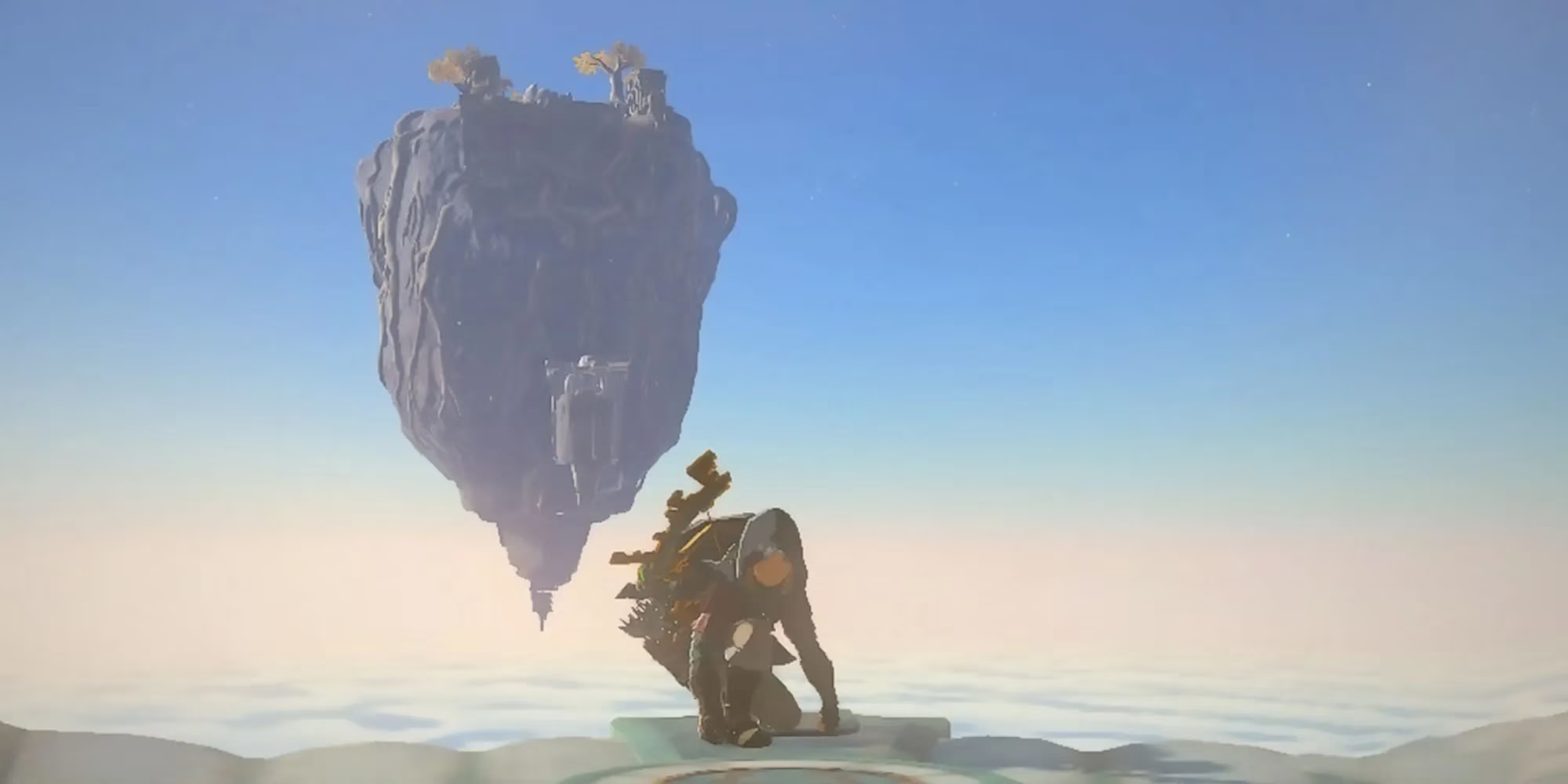
The discovery comes from Reddit user Bagel_enthusiast_192, who experimented with the custom home construction system introduced in TotK. Unlike Breath of the Wild, which only let players furnish a pre-built house, Tears of the Kingdom allows Link to design his own home from the ground up using modular blocks. However, the system isn't limitless. The game imposes a hard cap on how tall a house can be—but as this player found out, that cap only kicks in after Link submits the building layout to Granteson, the construction worker in Tarrey Town.
So what exactly happens? Once the layout is submitted, the game deletes any floors that exceed the maximum height. Granteson won't object to the submission, but the offending parts simply vanish. Bagel_enthusiast_192 realized this could be exploited: by building an upright hook-like shape whose top extends over the height limit, the game deletes the bent part of the construction, leaving the previously hanging floor suspended in midair. In other words, a floating platform that defies gravity—at least until you re-enter building mode.
How tall can a house be, then? Based on the gameplay clip shared by the player, the maximum allowed housing height appears to be equivalent to six vertically stacked 2x1 blocks. Therefore, constructing a hook-like shape that's seven such units tall should be enough to recreate the trick. The game also limits custom homes to 15 housing blocks total, which means this technique could allow floating floors containing up to six rooms. But there's a catch: three of those blocks will always be deleted upon submission, effectively restricting Link's house to 12 units.
Let's break down the key numbers in a handy table:
| Limit | Value |
|---|---|
| Max housing height (before deletion) | 6 stacked 2x1 blocks |
| Total housing blocks allowed | 15 |
| Blocks lost to the glitch | 3 |
| Effective blocks after glitch | 12 |
| Potential floating rooms | Up to 6 |
Sounds like a dream home, right? Not so fast. Bagel_enthusiast_192 confirmed that the floating floor will immediately crash upon re-entering the building mode—so don't expect to remodel without losing your sky-high creation. And accessing that airborne section is fairly inconvenient, requiring Link to use the Ascend ability five consecutive times before he can jump over to it. That's a lot of upward phasing for a single floor.
Then again, the 15-unit limit already forces most players who want tall houses to design with Ascend in mind. Another TotK player previously built an impressive three-story house packed with amenities but only a single staircase, meaning Link had to Ascend to reach the third floor. So perhaps the floating floor trick is just another example of how players are learning to work within—and around—the game's constraints.
Is this the future of Link's real estate empire? Probably not, given the fragility of the glitch. But it's a fascinating peek at how Tears of the Kingdom's building system can be bent in unexpected ways. Whether you're a master engineer or just want a cozy home with a view, TotK continues to surprise. The game is available on Switch, and with 2026 well underway, players are still finding new tricks. So next time you're in Tarrey Town, why not try building a hook and see if you can give Link a floating floor of his own? Just don't expect it to survive a trip back to the editor. 😄
Insights are sourced from Game Developer, where industry-focused reporting often explains why player-discovered tricks emerge from systemic design rules rather than simple bugs. In the case of Tears of the Kingdom’s Tarrey Town housing exploit, that perspective helps frame the floating-floor setup as a byproduct of height-limit validation, object cleanup, and modular construction logic interacting in an unexpected but highly readable way.