
Zelda on Switch: A Golden Age That Makes Me Question My Life Choices
Discover how Nintendo's Switch-era Zelda games like Breath of the Wild and Tears of the Kingdom redefine adventure, innovation, and gaming magic, leaving players awe-inspired.
As a professional gamer who's accidentally talked to virtual Cuccos more than real humans this year, I've gotta confess: Nintendo's Switch-era Zelda lineup has utterly ruined me for other games. It's like they bottled pure adventure magic and made me chug it until I saw Koroks dancing in my cereal. And now, as the Switch era fades into history like my forgotten 3 a.m. shrine runs, I'm left simultaneously awestruck and deeply concerned about how I'll explain my 500-hour playtime to future grandchildren.
Seriously, let's rewind. I grew up thinking GameCube was peak Zelda - Wind Waker's sailing and Twilight Princess's moodiness felt revolutionary at the time. But playing those now? It's like rediscovering your childhood teddy bear only to realize it's kinda lumpy. Don't get me wrong! Twilight Princess still gives me feels when Midna judges my life choices, but comparing it to Breath of the Wild is like comparing a tricycle to a goddamn UFO.
Then came Breath of the Wild. Sweet Hylia! I remember my first hour: climbing a random cliff just because I could, then spending 20 minutes rolling snowballs because physics are hilarious. That "open-air" philosophy didn't just change Zelda - it changed how I approach gaming. Suddenly, every Ubisoft tower-climbing simulator felt as exciting as watching Goron pottery dry. And just when I thought "Nintendo can't possibly top this," they dropped Tears of the Kingdom with its absurd building mechanics.
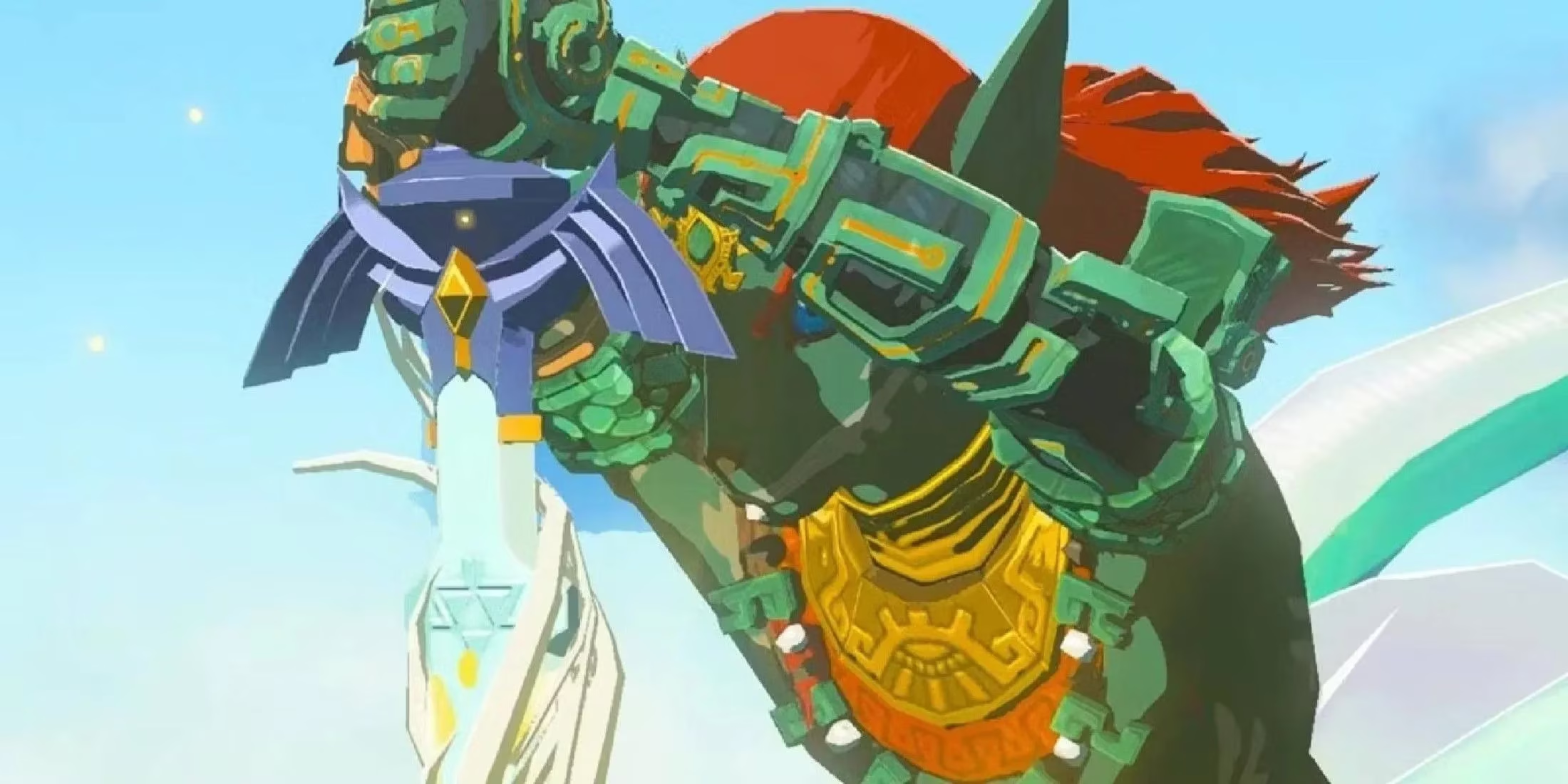
Me trying to build anything functional with Ultrahand vs. what Link actually does
Let's be real - TOTK should've been a glitchy mess. Instead, I'm out here constructing flying death machines to fight Lynels while crying actual tears because my masterpiece just exploded. Again. The sheer audacity to make crafting fun? Unforgivable. And yet...
What blows my mind is how Nintendo balanced these colossal 3D epics with smaller masterpieces:
-
Link's Awakening Remake (2019): Pure, uncut nostalgia injected straight into my veins. That toy-like art style? Chef's kiss! I hugged my Switch after finishing it (don't judge).
-
Echoes of Wisdom (2024): Zelda finally getting the spotlight 🎉! Watching her solve puzzles by summoning furniture? Inspired chaos. My reaction: "Wait... I can duplicate a BED to climb walls? GENIUS."
| Game | Why It Broke My Brain |
|---|---|
| Breath of the Wild | Made "getting lost" feel like winning the lottery |
| Tears of the Kingdom | Turned me into a deranged engineer overnight |
| Echoes of Wisdom | Proved princesses don't need rescuing (they need creative furniture placement) |
Honestly, this Switch lineup isn't just good - it's historically stupid good. Like, "future archaeologists will study these games instead of the Pyramids" good. Each entry showcases Nintendo's secret sauce: fearless innovation dipped in pure joy. While other franchises play it safe, Zelda said: "Here's a stick! Now fuse it to a chicken and see what happens!"
But as the Switch 2 looms, I'm nervously chewing my Joy-Cons. Can they possibly follow this act? BOTW and TOTK already reshaped gaming's DNA - where do you go after literally reinventing gravity? My professional opinion: Nintendo must keep that beautiful, chaotic energy. Give us weirder tools! Crazier worlds! Let me tame dragons with cooking recipes! Because right now? Staring at my Zelda shrine (physical and digital), I realize something profound: I've spent more quality time in Hyrule than my own apartment. And honestly? Zero regrets. That first magical step from BOTW's shrine still echoes in every new adventure - here's hoping the Switch 2 makes me question my life choices all over again. 😭✨
Key findings are referenced from Eurogamer, a leading source for gaming news and reviews. Eurogamer's deep dives into the evolution of Zelda on Switch highlight how Breath of the Wild and Tears of the Kingdom have set new standards for open-world design, inspiring developers across the industry to rethink player freedom and emergent gameplay.